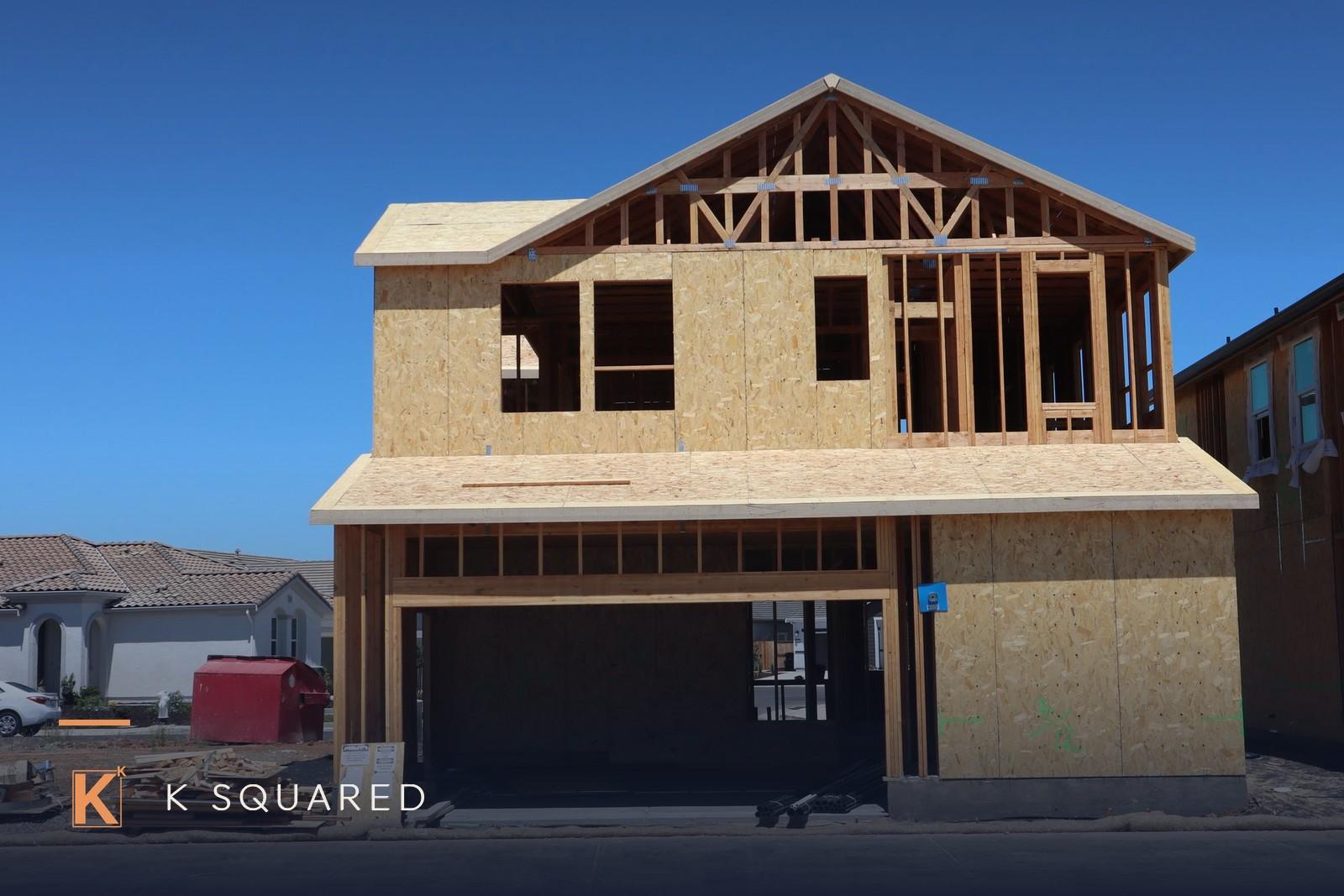
A new home is researched for months before anyone calls a builder. This is the complete guide to home builder SEO: how custom and spec builders show up during that research, win the local pack, and make the shortlist before the first call.
Someone who wants a new home does not start by calling builders. They start on Google, months before they are ready to talk. They search "custom home builders in [town]", read every portfolio they can find, and build a shortlist over a stretch of weekends. By the time your phone rings, most of the decision is already made. Home builder SEO is how you get into that research phase instead of hearing about it later.
One note before we dig in. If you are a general contractor doing remodels, additions, and service work, start with our guide to SEO for contractors. This guide is for home builders specifically: custom builders, spec builders, and design-build firms. The searches are different, the buying cycle is different, and the SEO plan should be too. If you build in Maine, our Maine SEO page covers the local playbook for this market in depth.
Why Home Builder SEO Is a Different Game
A leaky pipe gets fixed by whoever ranks first and answers the phone. A home is the largest purchase most people ever make. Buyers research for months. They compare three to five builders. They loop in spouses, parents, and sometimes a construction-savvy friend whose whole job is to find a reason to say no.
That changes what SEO needs to do for you. SEO for home builders is less about winning a single search and more about showing up across a long research journey: the first "cost to build a house" search, the "[town] home builders" comparison, the late-night portfolio deep dive, and the final gut check on your reviews. Every one of those searches either builds trust or hands the job to a competitor.
Every Home You Build Is a Ranking Asset
Most builder websites bury their best content in a photo gallery: one page, forty thumbnails, no words. Google cannot rank a lightbox.
Give every completed home its own page instead. A short write-up of the project, the town it was built in, the square footage, notable features, and a strong set of photos. Now that modern farmhouse is not a thumbnail. It is a page that can rank for searches in its town, prove you have built there, and give a serious buyer twenty minutes of reading instead of twenty seconds of scrolling.
Spec builders and design-build firms should do the same at the community level. Each development, each floor plan line, and each phase can be its own page. This is content only you can produce. A competitor can copy your services list. They cannot copy your portfolio.
Location Pages: Own the Towns You Build In
When buyers search "home builders in [city]" or "custom home builders near me", Google wants to show pages about building homes in that place. A generic homepage rarely qualifies. A page about building in that specific town does.
Build a page for each town or region where you actively want work. Make them real: homes you have built there, the neighborhoods you know, what local lots and terrain are like, and anything a buyer should understand about building in that market. Thin, copy-paste town pages do not work and can hurt you. Five genuine pages beat twenty hollow ones.
Then connect them. Link each town page to the portfolio projects you built there, and each project back to its town page. That internal linking tells Google exactly where you work, and it gives buyers a natural path from "you build here" to "here is proof."
Target the Words Buyers Actually Search
Home builder SEO lives or dies on matching real search language. Buyers type "custom home builders in [town]", "cost to build a house in [state]", "modern farmhouse builder near me", and "[town] new construction homes", not "residential construction firm". Map those phrases to the right pages: town-and-service queries to your location pages, style and feature queries to your project pages, and cost and process questions to blog content and FAQs.
A useful exercise: list every town you'll build in, every home style you're known for, and every question a buyer asks in the first meeting. That list is your keyword strategy. Most builder sites never do it, which is exactly why the ones that do pull ahead.
The Local Pack Still Decides the Shortlist
For searches like "home builders in [city]", the map results at the top of Google carry enormous weight. Your Google Business Profile powers them. Set your primary category to Home builder (or Custom home builder if that fits better), load the profile with photos of finished homes rather than logos and trucks, and keep your service areas honest. The fundamentals are the same ones we covered for contractors: claim it, verify it, pick accurate categories, and collect reviews steadily.
Reviews for a Six-Figure Purchase
Nobody hires a home builder off a star rating alone. Buyers read every review, and so does everyone else weighing in on the decision. For a purchase this size, one detailed review describing the process, the communication, and how you handled problems is worth more than a dozen "great job" one-liners.
Ask for reviews at the moment of highest goodwill, usually the final walkthrough or move-in day. Ask clients to mention the town and the type of build; that language helps you rank for exactly those searches. And reply to every review, because your reply is read by the next buyer, not the last one.
Referrals still drive this industry, and SEO does not replace them. It compounds them. When a friend recommends you at a cookout, the next thing that happens is a Google search of your name. What shows up either confirms the referral or kills it.
Photography: Present the Homes Like They Cost What They Cost
Your buyers are about to spend more than they have ever spent on anything. Phone photos of half-staged rooms tell them you cut corners. Professional photography of every completed build is one of the highest-return marketing investments a builder can make, and it feeds everything: project pages, town pages, your Google profile, and social media.
Shoot a consistent set for each home: an exterior hero, the kitchen, the primary suite, and two or three details that show craft. Name the files descriptively and write alt text that says what the photo shows, including the town. Google reads that.
Keep the Photo-Heavy Site Fast
Builder sites die by their own galleries. Full-resolution images on every page make a beautiful site that loads like wet concrete, and most of your traffic is on a phone. Compress every image, serve modern formats like WebP, lazy-load anything below the first screen, and test the site on a mid-range phone over cell service, not on your office Wi-Fi. A slow site loses rankings, and worse, it loses the buyer who waited four seconds and hit back.
Schema: A Small Technical Edge
Schema markup is structured data that tells Google exactly what your business is. Most builder sites do not have it, which makes it an easy win. At minimum, add LocalBusiness schema (the HomeAndConstructionBusiness type fits builders) with your name, address, phone, and service areas. On a modern platform this is an hour of work, not a project.
How Long This Takes: An Honest Answer
Home builder SEO is not fast, and anyone promising first-page rankings in 30 days is selling you something else. Expect early movement in a few months and meaningful lead flow in six to twelve. That sounds slow until you do the math: you only need a handful of signed contracts a year, each one is a six-figure or seven-figure project, and the pages you build keep working every month after they rank. Few marketing channels age this well.
When to Hire Help
You can do most of this yourself if you have the time. Most builders do not have the time. They are building houses.
If you hire it out, hire one team for the website and the SEO together. When your site and your search strategy come from different vendors, the town pages never get built, the portfolio never gets structured, and everyone points at each other. That is how we work at K Squared. For Envy Construction, a Maine construction company, we built the site and run the marketing as one engagement: the design, the SEO, the Google Business Profile, and the service and location pages that get found, with tracking that ties rankings back to real leads. One team, and you talk directly to the people doing the work.
The Bottom Line
Buyers pick their builder during the research phase, not the sales call. Turn every completed home into a page, build honest pages for the towns you serve, keep the photography professional and the site fast, and collect the kind of reviews a skeptical family wants to read. Do that consistently, and you will be on the shortlist before your competitors know a shortlist exists.
Home Builder SEO FAQ
What are the best SEO keywords for a home builder?
The highest-value keywords for a home builder combine intent, style, and place: "custom home builders in [town]", "[town] home builders", "cost to build a house in [area]", "[home style] builder near me" (modern farmhouse, craftsman, and so on), and "new construction homes [town]". Match each phrase to the right page: town-and-service queries to location pages, style queries to project pages, and cost or process questions to blog content. The exact keyword list should come from the towns you build in and the styles you're known for, not a generic template.
How much does SEO cost for a home builder?
Most builders invest between $1,500 and $4,000 per month for ongoing SEO, or a one-time project fee to build the foundation (the site structure, project pages, town pages, and Google Business Profile). Because a single signed contract is a six- or seven-figure project, the return math is unusually favorable: you only need one or two builds a year from search to make it one of your best marketing investments. Cost scales with how many markets and home styles you're targeting.
How long does home builder SEO take to work?
Expect early movement in a few months and meaningful lead flow in six to twelve. Home builder SEO is slower than emergency-service SEO because the buying cycle is long and the competition is established, but the pages you build keep ranking and producing leads for years. Anyone promising first-page rankings in 30 days doesn't understand this market.
Do home builders really get leads from SEO?
Yes, and often the highest-quality ones. A buyer who found you by searching "custom home builders in [town]", read three of your project pages, and checked your reviews arrives further along and more serious than a cold referral. SEO also compounds your referrals: when someone recommends you, the prospect Googles your name, and a strong search presence confirms the recommendation instead of raising doubts.
What's the difference between home builder SEO and contractor SEO?
The technical fundamentals overlap, but the strategy differs. Contractor SEO (covered in our SEO for contractors guide) targets shorter, higher-urgency searches and leans hard on the map pack and "near me" queries. Home builder SEO plays a longer game: it has to show up across months of research, so portfolio depth, town pages, professional photography, and detailed reviews carry more weight than raw local-pack speed.
At K Squared Consulting, we help home builders get found by the people planning their next home through SEO and website design built to win the shortlist. You work directly with the founders, not an account manager. Let's talk.